


A dry garden is not a garden that suffers. It is a garden that fits.
It is planted with species from the world’s dry places — the garrigue, the steppe, the rocky coast — grown lean, mulched with gravel, and weaned off irrigation after a single careful summer. From then on it lives, and looks its best, on rain alone.
The idea has a home address. On a windswept site by the Étang du Thau in the south of France, Olivier Filippi and his wife Clara have spent four decades trialling plants for gardens that are never watered — a collection of some fifteen hundred species, propagated two hundred thousand plants a year. What their nursery has learnt is the working core of the three books on this page, and of the method below.
The point is not endurance but ecology: where summers are hot and water short, a lawn and a thirsty border are the artificial thing. A dry garden is what the place itself would do — with better editing.
Why a dry garden works
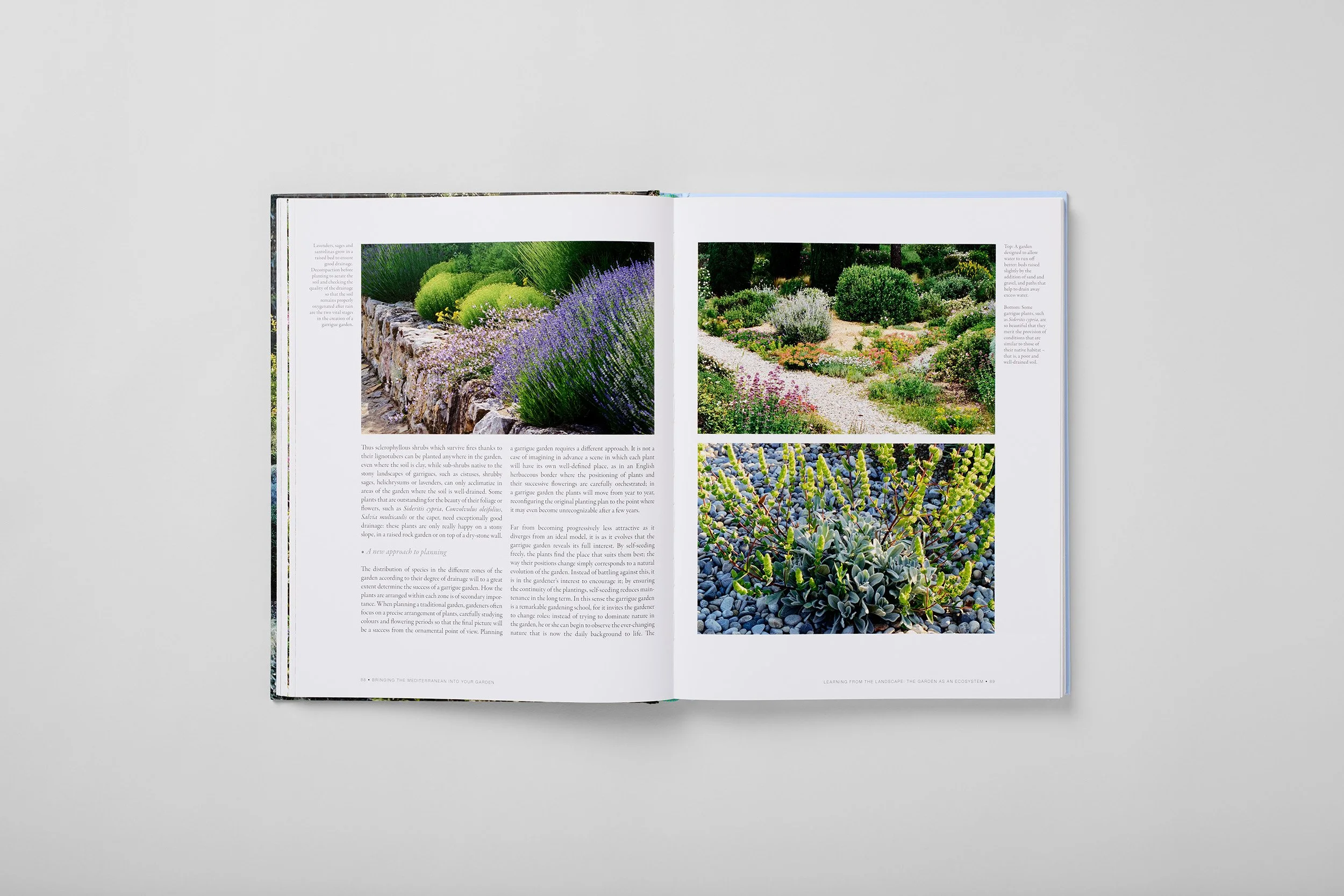
Plants from dry climates are not surviving despite the drought; they are built for it. Deep roots reach moisture the surface has lost. Grey and silver leaves reflect the sun. Aromatic oils, waxy coatings and tight cushion shapes all cut water loss. Some species simply rest through high summer and return with the autumn rain.
The gardener’s job is to stop interrupting. Rich soil, frequent watering and heavy feeding undo every one of those adaptations — they produce soft growth that needs the very irrigation it was meant to replace. Grown hard, the same plants live for decades.
- Lean soil makes tough plants. In poor, free-draining ground, roots go deep and growth stays dense — the plant provisions itself.
- Winter wet is the real killer. Most “drought losses” are drainage losses. A slope or raised bed solves in one move what no watering can.
- Gravel is a tool, not a look. A mineral mulch keeps crowns dry, holds down weeds and returns light and warmth the way rocky ground does in the wild.
Arguably the most comprehensive A-Z of drought-tolerant plants ever assembled.Gardens Illustrated · on The Dry Gardening Handbook
How to make a dry garden in eight steps
The sequence is the same for a terrace pot, a gravel court or half a hillside. The detail — soil recipes, plant palettes, planting plans — fills the books; this is the shape of it.
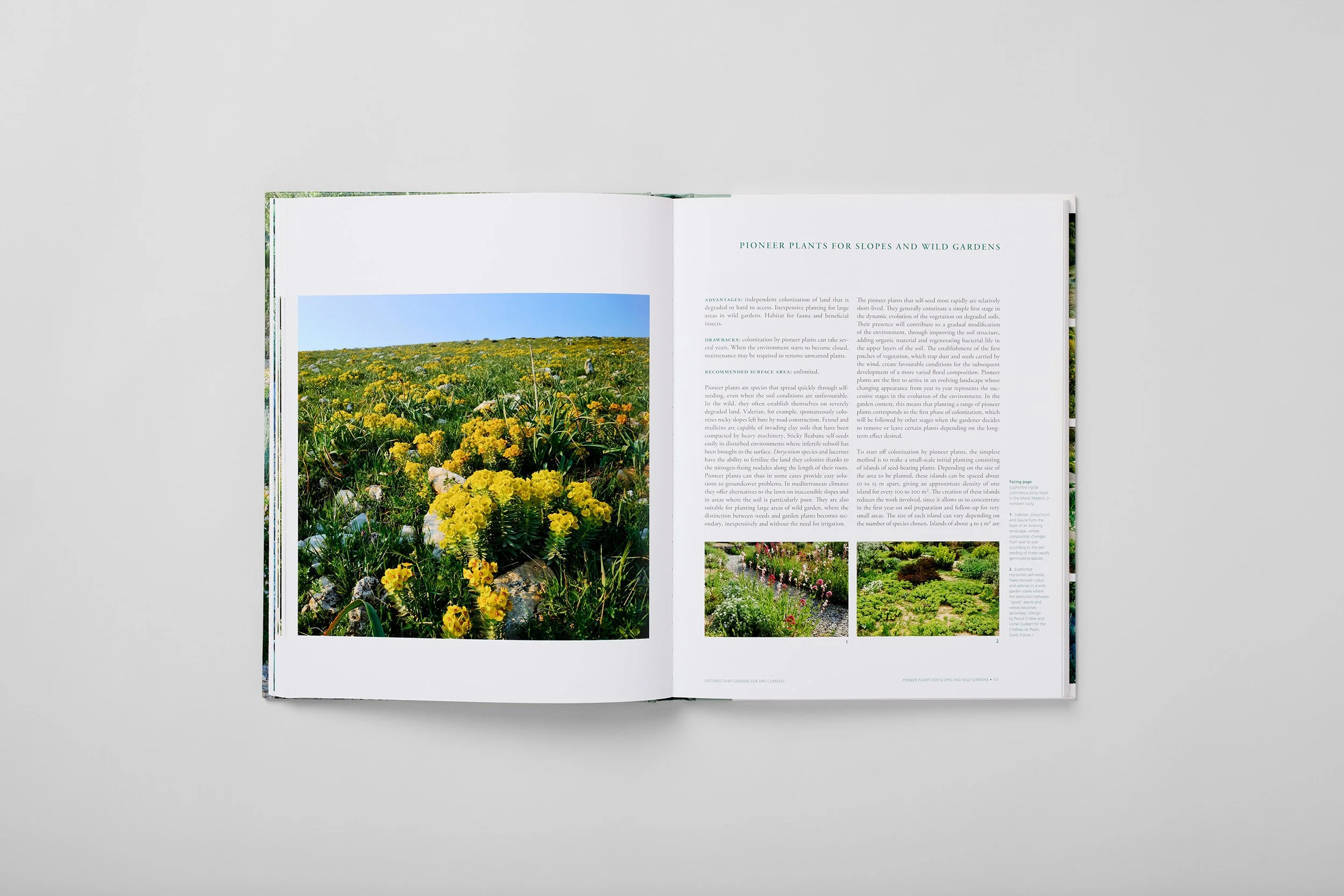
- Start from plants that already live with drought The garrigue, the steppe and the chaparral are full of species that treat a rainless summer as normal. Choose from these floras and irrigation stops being a life-support system.
- Leave the soil lean No compost, no fertiliser, no enriched planting pit. Dry-climate plants root deep and grow tough in poor, free-draining ground; rich soil makes them soft, thirsty and short-lived.
- Improve drainage, not fertility On heavy soil, plant into a raised bed or a gently mounded slope so winter wet drains away. More dry-garden plants are killed by wet winters than by dry summers.
- Plant small, and plant in autumn A young plant from a small pot establishes deep roots through the mild, moist months and meets its first summer ready. A large specimen planted in May never catches up.
- Water deeply but rarely in the first summer A few generous soakings, weeks apart, teach roots to go down. Frequent light watering keeps them at the surface — exactly where the drought is.
- Mulch with gravel, then stop watering A mineral mulch keeps crowns dry, suppresses weeds and reflects light the way rocky ground does. From the second year the garden lives on rain alone.
- Respect the summer rest Many Mediterranean plants pause in high summer — greyer, tighter, quieter. It is dormancy, not distress. Watering them "back to life" in August is how they die.
- Clip after flowering A light annual clip keeps garrigue shrubs dense and cushion-like for decades — the same work wind and grazing do in the wild.
What about the lawn?
For most gardens the lawn is where the water goes. Planting Design for Dry Gardens is Filippi’s answer to exactly this: carpeting groundcovers, walkable thymes, mown meadow mixes and gravelled plantings that do a lawn’s job — green, level, usable — without a sprinkler. Some can be walked on daily; some flower for months; none are mown weekly. The book describes over 200 plants for the purpose, tested at the nursery.
“This is a generously illustrated, thought-provoking and practical book. It is a must-have for anybody interested in creating dry and low-maintenance gardens.” — Jackie Herald, Garden Design Journal
Why now
Hosepipe bans, hotter summers and water bills are making the case on their own. But the better argument is the one Filippi has made for forty years: a garden matched to its climate is not a compromise. The garrigue in May — cistus, euphorbia, phlomis, thyme in flower at once — is one of the great planting spectacles, and it happens without a tap.
Stephanie Mahon called Filippi “the French dry gardening guru”; his nursery’s plants and methods now shape public and private plantings across Europe. The books bring the method home.
The dry garden library — three books, one method
Together they cover the why, the how and the what: the handbook for principles and plants, the design book for surfaces and lawn alternatives, the garrigue book for the wild model behind it all. By Olivier Filippi, published by Filbert Press. All three are in stock.
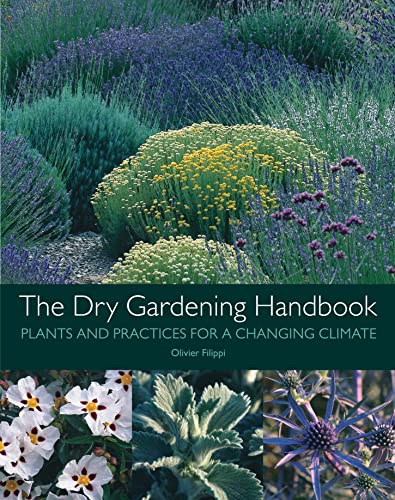 The Dry Gardening Handbook The reference. Principles, technique and an A–Z of drought-tolerant plants — "arguably the most comprehensive A-Z of drought-tolerant plants ever assembled" (Gardens Illustrated). See the book →
 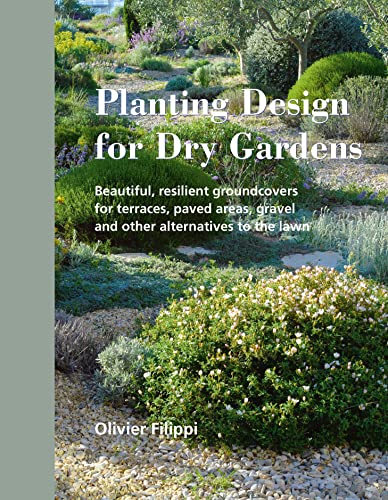 Planting Design for Dry Gardens Groundcovers for terraces, paved areas and gravel — the alternatives to the lawn, with over 200 tough, beautiful plants. See the book →
 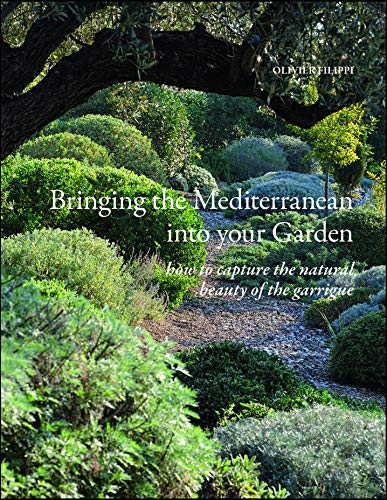 Bringing the Mediterranean into your Garden The wild garrigue as a design model — how to capture its natural beauty at home. See the book →